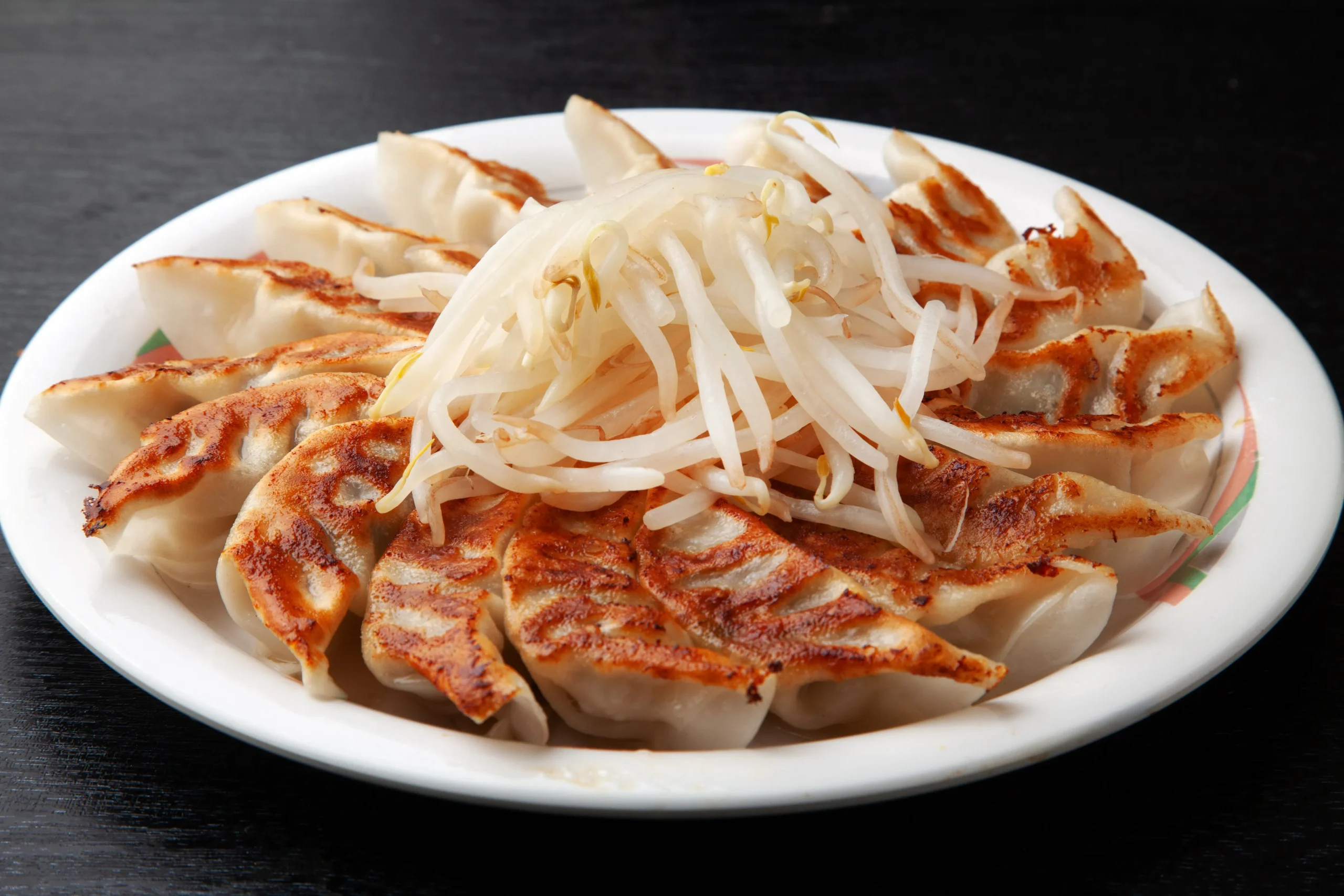
When foreign visitors think of Japanese gyoza, they usually think of Utsunomiya, the city that built its international reputation on the dish decades ago. But according to Japan’s own government household spending survey, published in 2026, that city isn’t even in first place anymore — and hasn’t been for three years running.
The actual number-one gyoza city spends noticeably more per household on the dish than its closest rival, and the local version looks almost nothing like what most visitors expect: dumplings arranged in a tight ring rather than straight rows, a pile of bean sprouts filling the center, and a filling built around cabbage and onion rather than a heavy garlic punch. The presentation itself traces back to a practical detail from the postwar era that most people have never heard explained.
It’s also a food most locals eat at home rather than at a restaurant, which is part of why it’s stayed so far under the radar internationally despite the numbers backing it up.
Want to know which city actually holds the title, why the dumplings are arranged the way they are, and exactly where locals go to eat it? Read the complete guide on [ Medium → ]
Recommended gear for this:
Portable travel chopsticks set with case
insulated food carrier bag for takeout
compact Japanese-English food phrasebook
This post contains Amazon affiliate links. If you purchase through them, I may earn a small commission at no extra cost to you.
Comments