What tourists notice: the same denomination of Japanese banknote sometimes looks completely different from one transaction to the next — and it’s not a fake.
What’s actually happening: Japan redesigned its ¥10,000, ¥5,000, and ¥1,000 notes in July 2024 with new portraits and upgraded security features, but never withdrew the previous designs — both versions remain fully valid and are still in active circulation together. You’ll likely handle a mix of old and new bills throughout your trip, and that’s completely normal.
There’s also a fourth, much rarer denomination — the ¥2,000 note — which even Japanese people rarely see in daily use and treat as a small novelty when it turns up. It’s fully spendable if you get one.
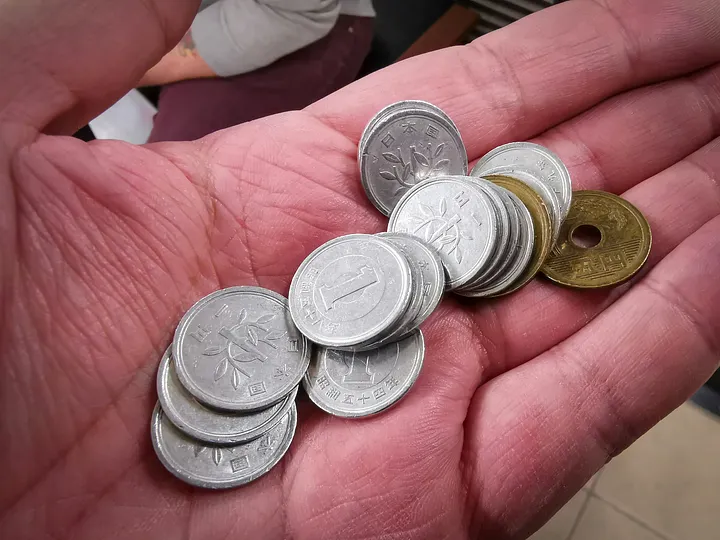
On the coin side, two of Japan’s six coins — the ¥5 and the ¥50 — have a hole punched through the middle, a design also seen on a handful of coins in other countries historically. The ¥5 coin in particular has cultural significance beyond its value: its name sounds like the Japanese word for “good connection,” making it the traditional coin used for shrine offerings.
Japan redesigned its banknotes, and if you’re paying with cash, you may end up handling both old and new bills side by side. Most tourists don’t even notice, but understanding the change helps you spot counterfeits and handle cash more confidently.
Want the full breakdown of what changed and what to watch for when handling Japanese cash? Read the complete guide on [ Medium → ]
Recommended gear for this:
This post contains Amazon affiliate links. If you purchase through them, I may earn a small commission at no extra cost to you.

Comments