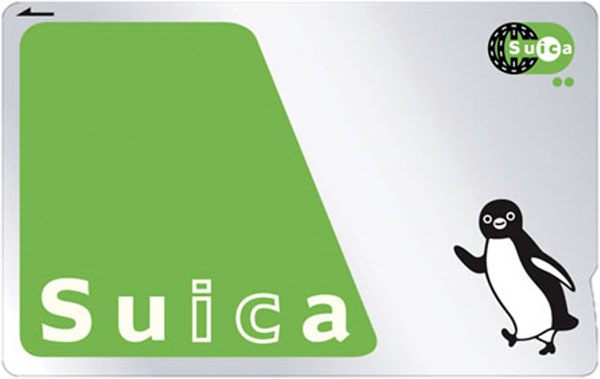
What tourists do: buy individual paper tickets at every station and carry cash for everywhere that doesn’t take cards.
What locals do: load a single IC card — Suica — onto their phone once, and tap it for nearly everything afterward: trains, subways, buses, taxis, the Shinkansen, and the majority of shops and convenience stores nationwide.
Suica is JR East’s rechargeable transit and e-money card, and despite the train branding, it functions as general-purpose electronic money almost everywhere in Japan. It can be added directly to Apple Wallet on compatible iPhones, and — as of more recently — to Google Wallet on many Android phones, though Android support rolled out later and varies more by device.
A few things worth knowing before your trip:
- There’s a visitor-specific version designed to work more smoothly with foreign cards than the standard commuter version.
- Not every foreign credit card works the same way for topping up — card network matters, and it’s worth knowing which type to bring as a backup.
- Physical (plastic) Suica cards can only be recharged with cash, not card — one more reason the mobile version is worth the small setup effort.
Nearly every local in Japan carries an IC card like Suica or Pasmo — it works on trains, buses, vending machines, and convenience store registers with a single tap. Tourists often skip it and fumble with cash and paper tickets instead, making everything slower.
Want to know exactly how to get one, load it, and use it like a local from day one? Read the complete guide on[ Medium → ]
Recommended gear for this:
This post contains Amazon affiliate links. If you purchase through them, I may earn a small commission at no extra cost to you.
Comments