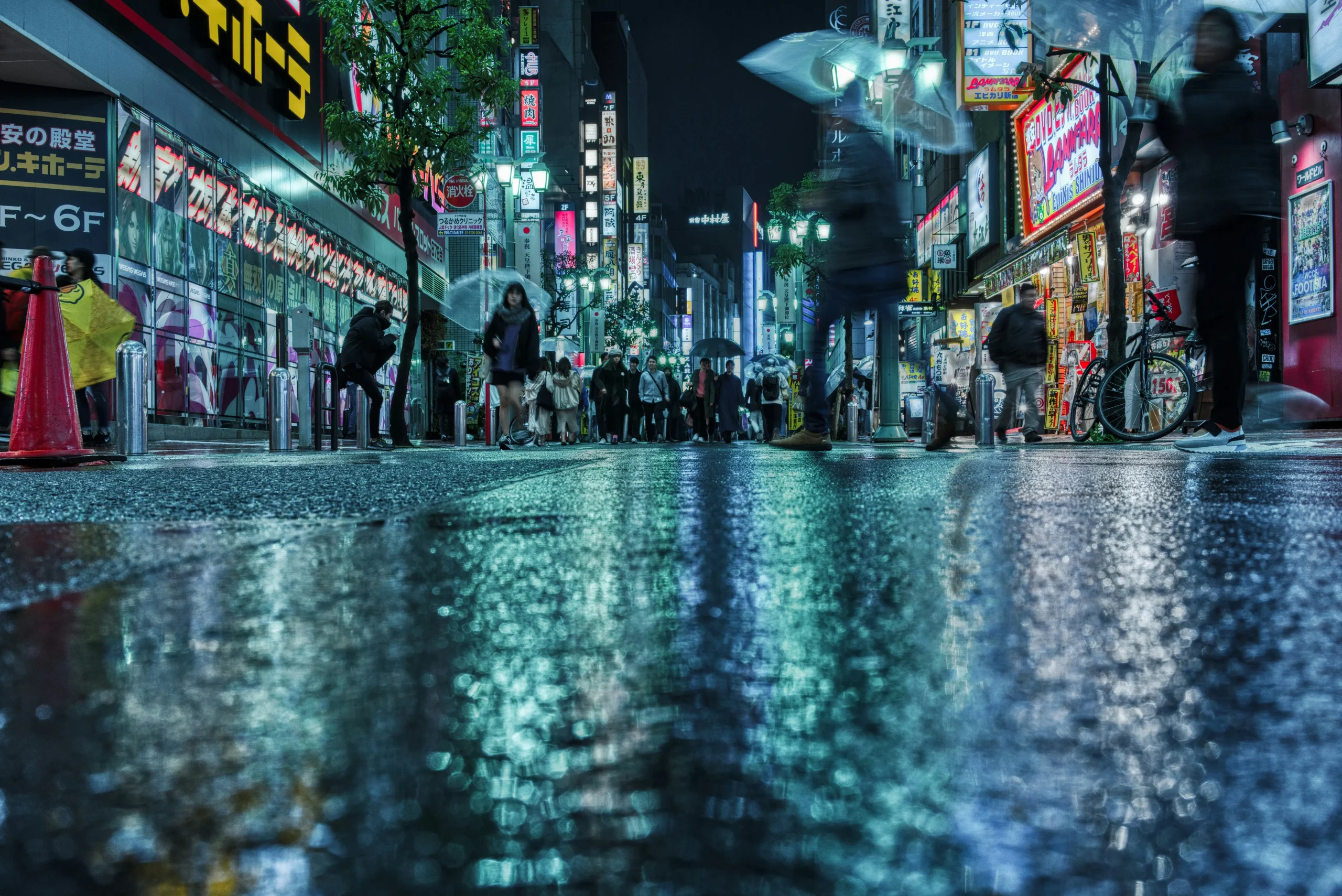
Japan sees the same broad range of natural disasters as most countries, but one of the most consistently underestimated by visitors is water. Typhoon season overlapping with the autumn rain front (akisame) can bring days of warning-level rain across wide areas of the country — and unlike rural river flooding, the urban flooding that tourists are actually likely to encounter shows up fast, inside ordinary city spaces like underground malls, parking garages, and underpasses.
Japan’s Meteorological Agency runs a five-level warning system, revised as of May 2026, that tells residents exactly how serious a situation has become — and locals have a clear internal rule for when a warning level means it’s time to stay put rather than push forward with the day’s plans. There’s also a newer, separate alert track specifically for the intense, narrow rain bands that can dump extreme rainfall over the same area for hours.
Train operators, meanwhile, have their own system for warning riders well before service actually gets disrupted, often confirming suspensions a full day in advance of a major storm.
Want to know exactly which warning level should make you cancel your plans, which specific underground and underpass locations carry the highest risk, and how to actually check whether your train is still running? Read the complete guide on [ Medium → ]
Recommended gear for this:
A portable hand-crank/battery emergency weather radio
a waterproof dry bag for phones and documents
a compact packable rain poncho with sealed seams
This post contains Amazon affiliate links. If you purchase through them, I may earn a small commission at no extra cost to you.
Comments