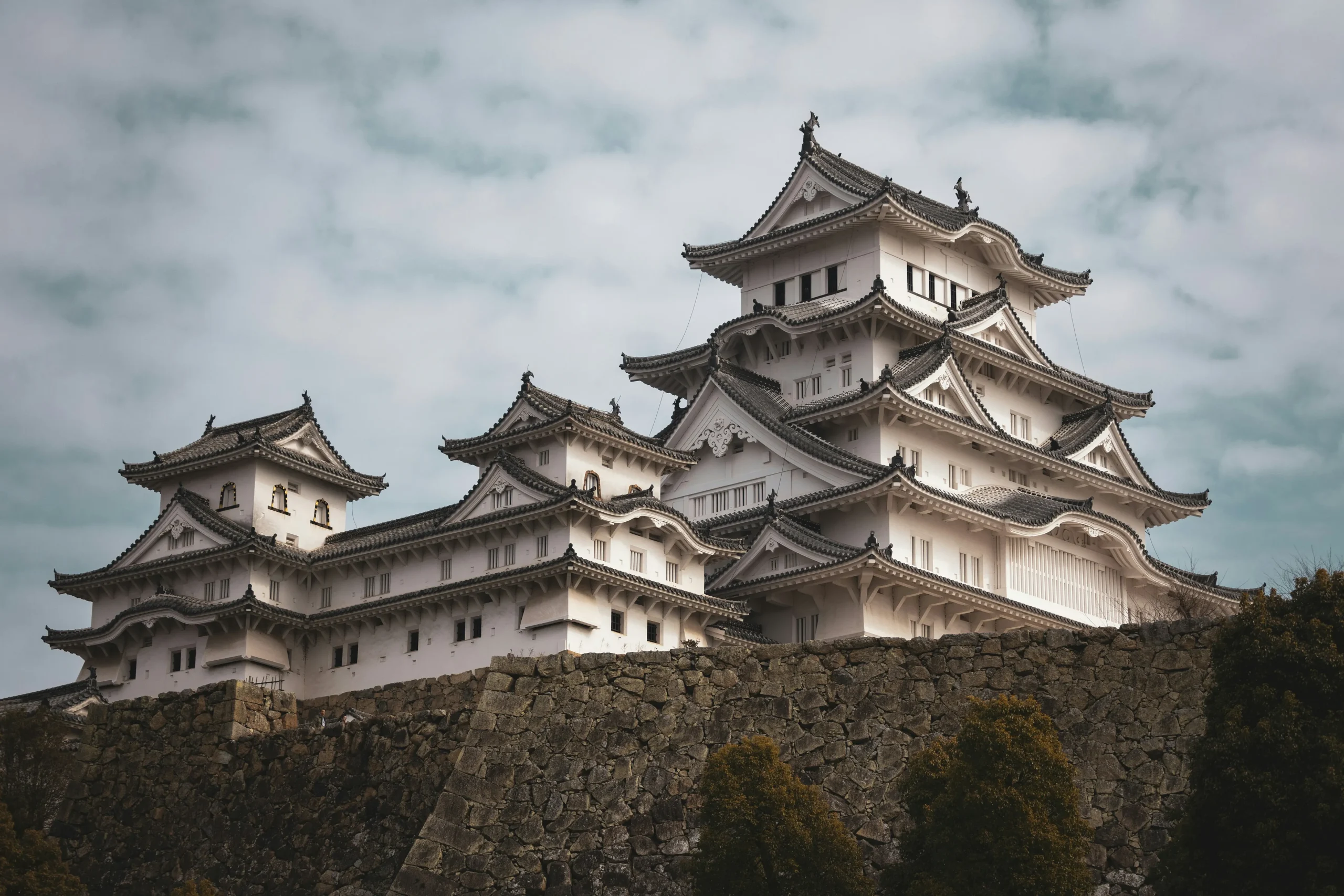
Starting in March 2026, Himeji Castle will charge two different admission prices at the same gate — a lower rate for city residents, and a significantly higher rate for everyone else, tourists included. It’s one of the clearest examples yet of Japanese heritage sites responding to a specific financial problem: aging structures that cost far more to maintain than ticket revenue alone can cover, especially as the weak yen makes already-low admission prices look like a bargain to international visitors.
The city has been careful about how it frames the split — this isn’t a nationality-based surcharge, it’s a residency-based one, which changes both the legal footing and the public reception. Other major heritage sites and national museums are watching closely, and similar pricing structures are already under discussion elsewhere.
For anyone planning a Japan trip built around older travel content, this is exactly the kind of quiet policy shift that can throw off a budget if you don’t know it’s coming.
Want to know the exact numbers, the maintenance bill that triggered this, and which other sites might follow? Read the complete guide on [ Medium → ]
Recommended gear for this:
A compact travel wallet with a dedicated cash/coin pocket for exact-change ticket counters
a portable currency converter card or app-enabled device
a lightweight day bag for castle-grounds walking tours
This post contains Amazon affiliate links. If you purchase through them, I may earn a small commission at no extra cost to you.

Comments