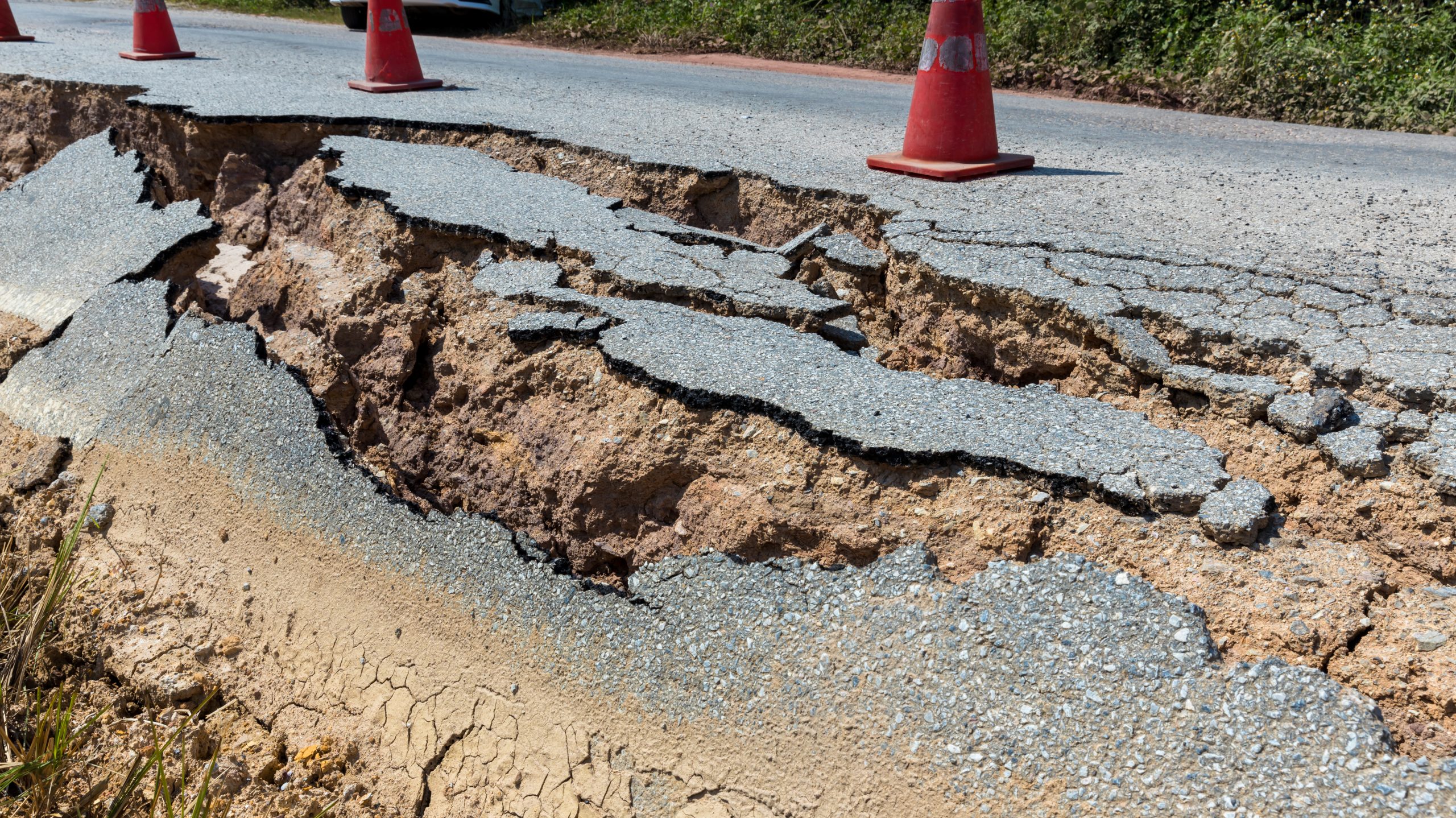
Our deepest condolences go out to everyone affected by the recent earthquake in the Kumamoto region, and our thoughts are with those still searching for missing loved ones. We hope sincerely for a swift and safe recovery for the entire area.
Japan is one of the most seismically active countries on earth, and for residents, feeling the ground move occasionally is simply part of daily life. Modern buildings are engineered to handle shaking, and the country runs one of the most advanced earthquake early warning systems in the world.
But the recent Kumamoto earthquake was a reminder that not every quake is routine. It reached Japan’s maximum intensity rating and led to serious building damage and loss of life, including from a secondary gas explosion — a different situation entirely from the moderate shaking most visitors will ever experience.
The most important takeaway for travelers: general advice like “stay indoors during a quake” applies to routine, moderate shaking, not major earthquakes. During a major quake, always follow the instructions of on-site staff, and never re-enter a building or area after evacuating until officials confirm it’s safe.
Want the full breakdown of what’s different between a routine quake and a major one, and exactly why the “don’t go back in” rule matters? Read the complete guide on [ Medium →]
Recommended gear for this:
- Portable Power Bank Charger (10000mAh)
- Compact LED Flashlight with Emergency Radio
- Travel Emergency Whistle with Safety Light
This post contains Amazon affiliate links. If you purchase through them, I may earn a small commission at no extra cost to you.


Comments